
Housing at the heart of Africa’s future: Deputy Secretary-General calls for urgent action on affordable housing
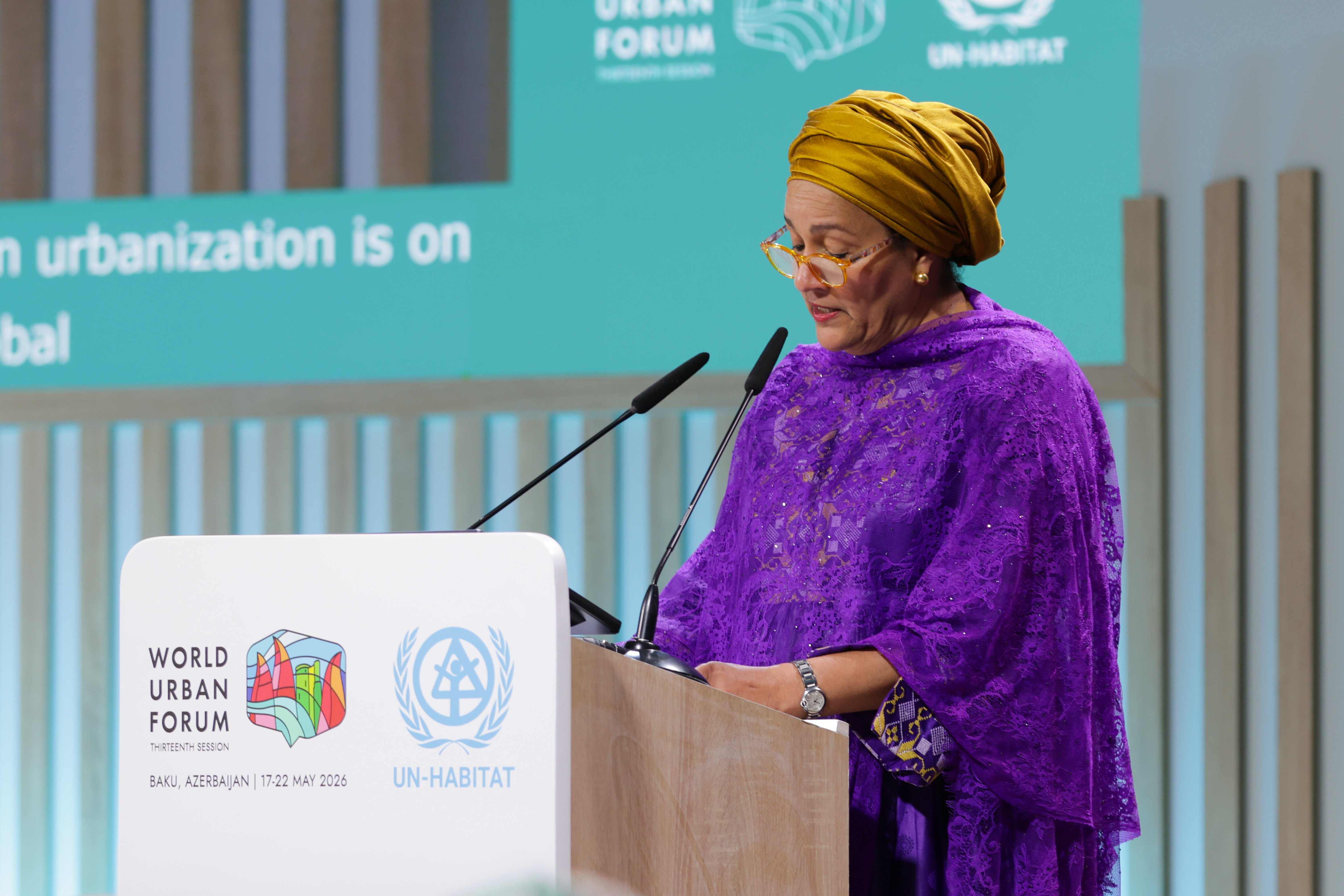
That was the message from United Nations Deputy Secretary-General Amina J. Mohammed as she opened the Special Session on the Africa Affordable Housing Compact at the thirteenth session of the World Urban Forum (WUF13) in Baku, Azerbaijan. Addressing ministers, ambassadors, investors, development partners, the private sector and other key actors, the Deputy Secretary-General placed housing at the centre of Africa’s urban future and progress toward the Global Goals.
“Housing sits at the heart of the Sustainable Development Goals,” she said. “Secure, adequate housing and you create the conditions in which every other goal can take root.” Ms. Mohammed is also the Chair of the United Nations Sustainable Development Group.
Her remarks came at a critical moment – midway through implementation of the New Urban Agenda, with only a few years remaining to achieve the 2030 Agenda for Sustainable Development and as Africa advances Agenda 2063 through a growing focus on urbanization and housing.
Africa’s housing challenge and opportunity
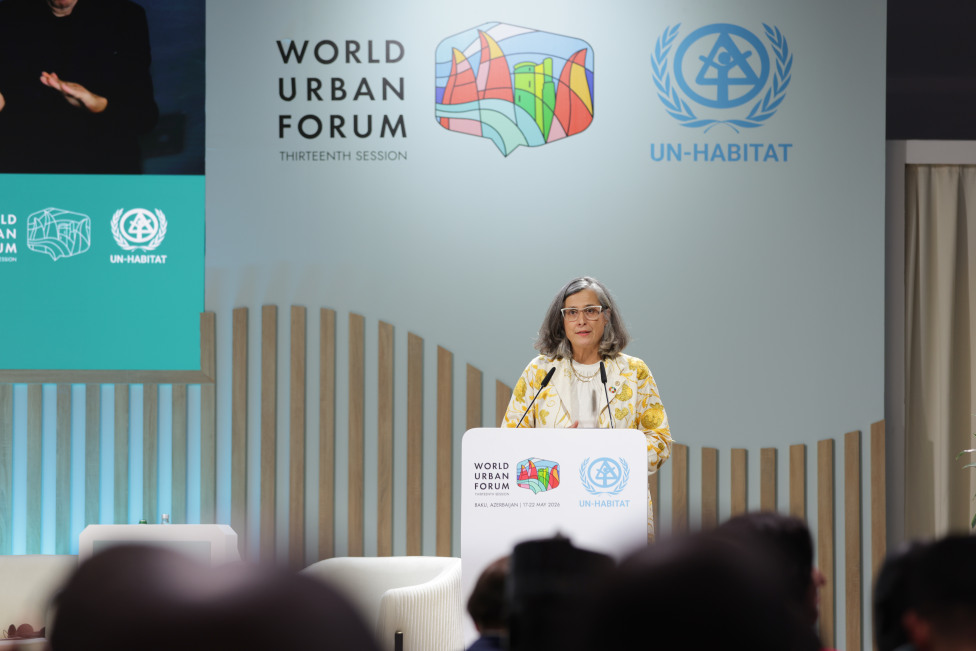
Introducing the session, Anacláudia Rossbach, Executive Director of UN-Habitat, highlighted the scale of the housing crisis facing the continent.
“Africa already has a housing deficit that exceeds 60 million units and on current trajectories, it will surpass 130 million by 2030,” she said. “We do have a financing gap of more than $1.4 trillion.”
At the same time, she stressed that Africa’s rapid urban growth presents opportunities for investment in housing, municipal infrastructure, climate resilience and green building transitions. The continent’s urban transformation represents one of the world’s largest long-term investment opportunities.
The Nairobi Declaration and African Affordable Housing Compact
Central to the session was the Nairobi Declaration, adopted during the second Africa Urban Forum in April 2026 and convened by the African Union and the Government of Kenya. The declaration is a political commitment by African Member States to accelerate affordable housing delivery across the continent.
“The Nairobi Declaration carries the voice of the continent,” said Ms. Rossbach. “Governments, mayors, African Union development partners, the private sector and civil society aligned around a single proposition: Africa’s urban future will be decided by what we build, finance and deliver in this decade.”
The Special Session focused on translating that commitment into implementation through the African Affordable Housing Compact, a platform convened by the Regional Office for Africa of UN-Habitat.
Ms. Rossbach noted that the Compact is designed to move “from declaration to action to implementation” through four pillars: the Africa Affordable Housing Fellowship, the Affordable Housing Deal Platform, the Housing Data Hub and Country Housing Compacts.
The Deputy Secretary-General described the Compact as “the U.N.-anchored platform built to move us beyond just the declarations,” noting that it connects policy reform, project pipelines and finance without duplicating existing efforts.
Housing at the centre of development
Throughout her address, the Deputy Secretary-General linked housing to nearly every SDG, arguing that affordable housing drives progress on poverty eradication, health, gender equality and climate resilience.
She also stressed the importance of sustainable urban growth. “Africa’s housing stock has not yet been built,” she said. “Every decision we take now locks in decades of emissions or avoids them.”
The Deputy Secretary-General also highlighted inequalities in global financing systems, noting that Africa receives less than 3 per cent of global housing finance despite accounting for nearly 20 per cent of the world’s urban population.
Calling for urgent partnerships and investment, she urged governments to provide “regulatory clarity, land tenure security and fiscal incentives” while stressing that “Africa’s housing market is not the next frontier, it is the present one.”
Moving from ambition to implementation
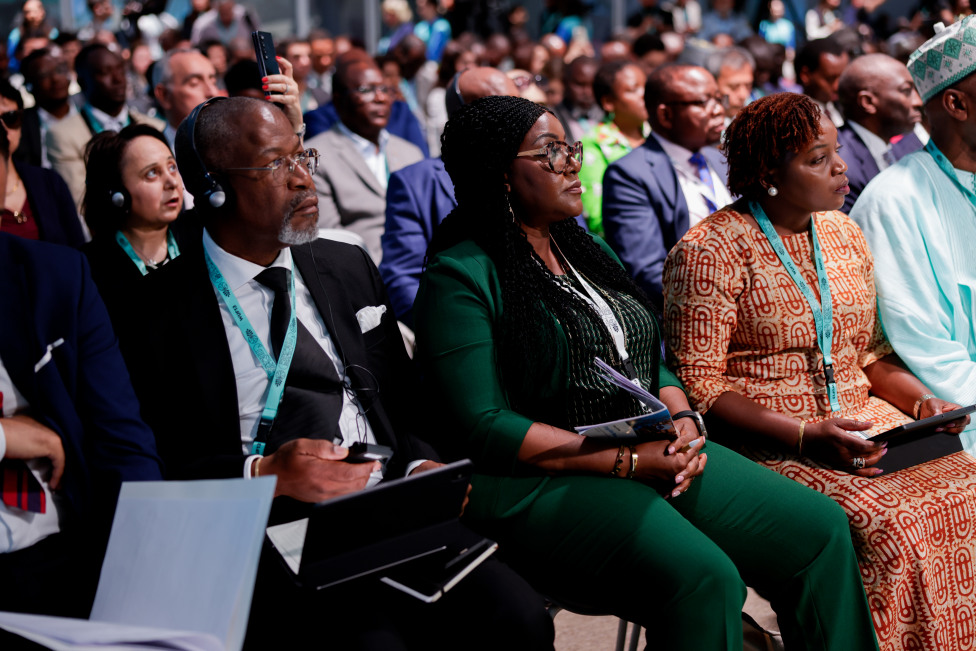
The Deputy Secretary-General’s call to action set the stage for the ministerial roundtable that followed, where ministers from Gambia, Eswatini, Angola, Liberia, Morocco and Kenya discussed national strategies to accelerate affordable housing delivery.
Ambassador Susan Nakhumicha Wafula from Kenya described her country’s affordable housing programme as more than a housing initiative.
“It has not just been fashioned as a housing programme,” she said. “It has been fashioned as a socio-economic development programme, where each and every citizen is involved in the housing programme.”
The session concluded with discussions involving investors, development partners and private sector actors, reinforcing the need for coordinated partnerships to move the Nairobi Declaration and the African Affordable Housing Compact from commitment to action.